News —
Prolific phone thief caught out by Met drone jailed
A prolific phone thief who was tracked by a Metropolitan Police drone during a high-speed chase and arrested within minutes, has been jailed.
Footage released by the Met shows the moment drone operators quickly identified the suspect after receiving reports of multiple phone thefts in central London.
The chase ended with a dramatic arrest on Chelsea Bridge and the recovery of the stolen phones within 15 minutes of the drone’s deployment.
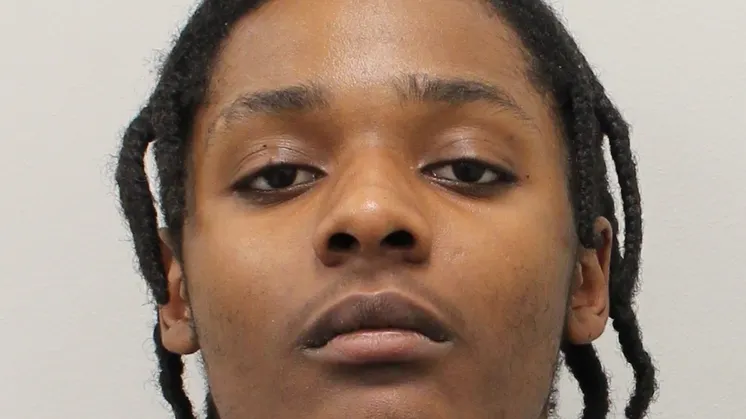
Wesley Rodrigues, 18 (23.03.08), of Shernhall Street, Walthamstow was sentenced to 1 year and 6 months in prison at Southwark Crown Court on Monday, 16 November.
He was previously convicted of theft, dangerous driving and possession of an offensive weapon after prowling around central London on an e-bike, armed with a machete, before going on to steal five phones.
Detective Constable Maria Archer, who led the Met’s investigation, said:
“Wesley Rodrigues carried out a series of brazen phone thefts, targeting helpless victims and putting the public at risk through his reckless and dangerous actions.
“Thanks to the swift work of our drone operators and officers on the ground, he was quickly identified, tracked and arrested, allowing us to recover the stolen phones and return them to their owners.
“Phone theft offences are now at a four-year low because of the Met’s relentless efforts to crack down on these criminals. We will continue to target those responsible and bring them before the courts.”
Today’s sentencing comes as the Met continues to see the early successes of its Drones as First Responder (DFR) programme, which is helping officers reach incidents faster and bring offenders to justice across London. In most incidents, drones are able to respond in less than two minutes.
James Harman, Deputy Assistant Commissioner overseeing the drone programme said:
“Without the presence of a drone first responder, it is highly likely that this prolific thief would not have been located as quickly as he was and more offences would have been committed.
“Our drones are helping to tackle the crimes that matter most to Londoners, including phone theft. They are also proving invaluable in locating missing people, tracking suspects and providing a live view of incidents before officers arrive on the scene.
“We are continuing to build a Met that is more efficient and capable than ever before, and this technology is a crucial asset in keeping Londoners and visitors to our city safe.”
The Met’s Air Support Unit was alerted on Saturday, 22 August after multiple victims reported to officers across central London that their phones had been stolen.
A drone was deployed at 13:34hrs and quickly identified Rodrigues as the suspect, who was dressed in all black while riding a Sur-Ron e-bike in the Piccadilly area.
The drone operator followed him around central London and witnessed him steal another phone in real-time.
The drone unit directed officers on the ground to his location on Chelsea Bridge. One officer used his motorbike to knock Rodrigues off his e-bike with a tactical interception.
The 18-year-old continued to flee on foot with officers in pursuit. He threw a zombie knife into the Thames before a brave member of the public tripped him up.
Officers detained and arrested Rodrigues at 13:49hrs on Chelsea Bridge – just 15 minutes after he was identified via the drone.
Rodrigues pleaded guilty to theft, dangerous driving and possession of an offensive weapon at Southwark Crown Court on Tuesday, 6 October.
Drone as First Responder programme
During a major trial, our drones attended more than 2,300 incidents. In three quarters of these cases, drones arrived on the scene first.
Almost all drones arrived within two minutes and provided intelligence before officers arrived. Arrest rates were also higher for drone-attended incidents, compared to those without drones.
The Met operates seven drones based at three sites – Islington, Charing Cross and Kennington. On average, drones are deployed to around 200 incidents per week.
Drones are controlled by operators from a control suite at Hammersmith Police Station, who aid and assist officers on the ground as and when drone support is requested.
When the decision is made to deploy a drone, it will be remotely launched from a weather-proof box and flown to the incident in less than two minutes.
Once over the scene, the drone’s imagery is transmitted in real-time to the control room supporting the police response and recording footage for evidence.
The drone’s video feed also helps the control room to tailor the emergency response and send the right resources, while also providing clarity for response officers on what to expect at an incident.
Four in five Londoners support the police adopting new technology, including drones, to catch criminals and protect our streets.
The Drone as First Responder programme in London is part of the wider programme overseen by the National Police Chiefs’ Council (NPCC).