News —
UPDATED: Two Iranian men convicted of spying for the Islamic Revolutionary Guard Corps
Two men have been found guilty of spying for Iran after an investigation by Counter Terrorism Policing (CTP) London.
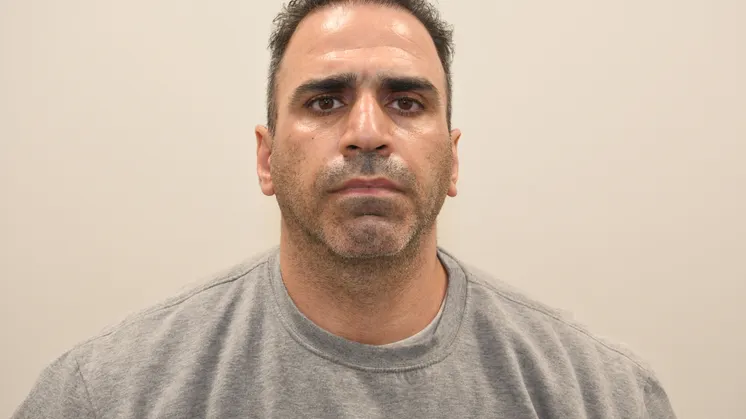
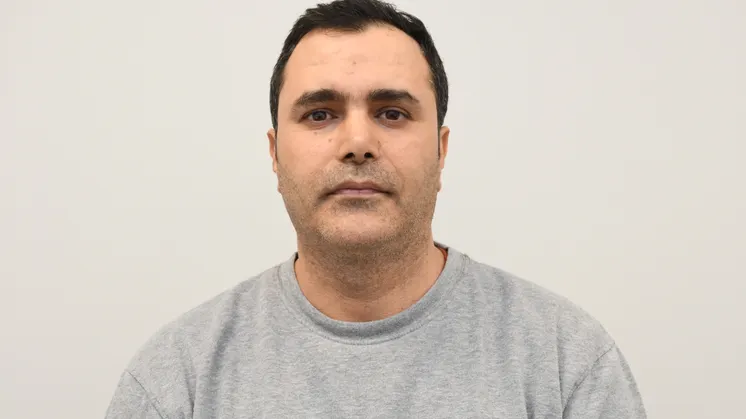
Mostafa Sepahvand and Farhad Manesh, were convicted of engaging in conduct likely to assist the Islamic Revolutionary Guard Corps (IRGC) after a six-week trial at Woolwich Crown Court.
Sepahvand was also found guilty of engaging in conduct, namely surveillance, reconnaissance and open-source research, intending to commit acts, namely serious violence against a person in the UK.
The targets of the surveillance were two journalists working for the media organisation Iran International, a lawyer working for UK Lawyers for Israel and a media production professional.
In messages to his contacts in Iran about one of the targets, Sepahvand referenced ‘finishing him off’. He was partly motivated by the promise of £150,000 from his contacts in the IRGC. He also expected the IRGC to ‘fix’ his conviction in Iran for theft.
Manesh helped Sepahvand with the surveillance but was found not guilty of a section 18 National Security Act charge of doing it ‘with the intention that acts, namely serious violence against a person in the UK, would be committed by others’.
Deputy Assistant Commissioner Vicki Evans, Senior National Coordinator for Counter Terrorism Policing (CTP), said: “It is clear the arrests of these two men by Counter Terrorism Policing officers prevented serious violence from being inflicted on one or more individuals in the UK.
“Following the arrests, the investigation team worked diligently and quickly to translate into English thousands of messages in Farsi and then used mobile phone cell site data to build a compelling record of the surveillance.
“The activity laid out in this case reflects a pattern of Iran targeting Persian language media in the UK, particularly Iran International.
“Indeed, this is the fourth case in recent years involving direct threat to Iran International journalists and we are working hard to keep them safe.
“The threat from hostile states to the UK is increasing and Iran continues to adapt its approach to using ‘proxies’, we have seen examples of people who fly into the country to carry out criminal activity and then leave shortly afterwards, to using British nationals or, in this case, Iranian nationals with settled immigration status.
“People are often tasked via social media with the promise of large amounts of money, as seen in this case.
“However, the proxy takes on all the risk and will often only receive a fraction, if any, of the promised financial reward.
“So, our message to anyone being asked to carry out activity by foreign states, or even unknown entities online, is to think again.
“As demonstrated in recent cases across the UK, Counter terrorism policing officers are working relentlessly to arrest those responsible for state sponsored criminality. Using the National Security Act, we can ensure those arrested for these crimes face charges that can lead to substantial prison sentences following conviction.”
The surveillance, reconnaissance and open-source research took place between August 2024 and March 2025.
Woolwich Crown Court heard that CTP London officers uncovered briefing documents on the mobile phones of the three men, which included details of the targets for surveillance.
These documents were detailed and included pictures of the individuals, the addresses of where they worked, the make and colour of the car they drove and even the names of their pets.
CTP London officers sifted through 534 GB of data to find messages, videos, images and voice notes that revealed their criminal activity. This work was complicated by the fact the messages and audio from the videos had to be translated from Farsi.
Sephavand took a leading role and would pass on surveillance instructions on to Manesh. Sepahvand frequently messaged Iranian phone numbers of individuals linked to the IRGC.
In one voice note to an Iranian contact, he said he had been promised that his conviction in Iran for theft would be "sorted out" and he would be paid £150,000. He also referenced "finishing off" someone and "if they put money in his hands" he would "do it".
Sepahvand, Manesh and a man called Shapoor Noori were all arrested at their home addresses on May 3 2025. Sepahvand admitted he had carried out the surveillance on behalf of the IRGC, but claimed it had been done under duress.
Manesh claimed the surveillance images were taken because he was looking for somewhere new to live.
Noori, aged 57, of Ealing, was on trial for the same charges as Manesh, but he was found not guilty by the jury.
Sepahvand, 41 (22.9.85) of St John’s Wood and Manesh, 46 (22.9.80) of Kensal Rise, will be sentenced at the Old Bailey on 17 December.